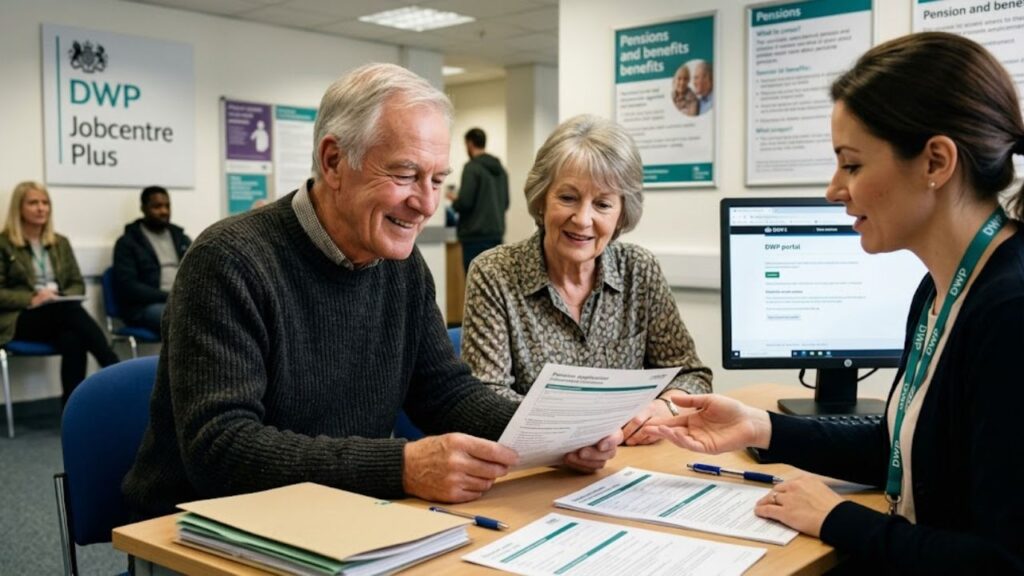
The retirement system in the United Kingdom is going through a major transformation. For many years, retiring at the age of 60 or 65 was seen as the standard goal. However, as 2026 approaches, the government has introduced confirmed changes that move away from these traditional timelines. With the new State Pension age schedule approved, millions of workers across England, Scotland, Wales, and Northern Ireland will now need to wait longer to receive their pension. This shift highlights increasing financial pressure on the system and the need for long-term sustainability.
2026 Transition From Age 66 To 67
The most important change is the gradual increase in the State Pension age from 66 to 67. This transition will begin in April 2026 and is already part of approved law. It will affect individuals born after April 1960, and by 2028, the retirement age will become 67 for everyone. For people currently close to retirement, this change may feel challenging, as they must now adjust their plans. The government explains that this step is necessary to maintain fairness between generations and manage the growing cost of pensions.
Why Retirement Age Is Increasing
The primary reason behind this decision is the rise in life expectancy. Over the last 50 years, people in the UK have been living significantly longer. This means pensions must be paid for a longer period, increasing financial pressure on public funds. To maintain benefits like the Triple Lock, which ensures pensions rise regularly, the government believes increasing the retirement age is necessary. This helps balance the system and ensures future generations can still receive support.

Future Plan To Raise Age 68
Beyond the move to 67, there are plans to increase the retirement age further to 68. Currently, this is scheduled between 2044 and 2046, but discussions are ongoing about bringing it forward to the late 2030s. Younger workers may need to prepare for longer working lives, possibly retiring closer to 70. The government has promised to provide sufficient notice before implementing any such change, but the direction remains clear.
Impact On Workers And Inequality
The changes have raised concerns, especially for people working in physically demanding jobs such as construction, healthcare, and delivery services. These workers may find it difficult to continue working into their late 60s. Additionally, there are strong regional differences in health and life expectancy across the UK. In some areas, people remain healthy longer, while in others, health declines earlier. This creates inequality in how individuals benefit from the pension system.

Private Pensions Becoming Essential
With the State Pension age increasing, private and workplace pensions are becoming more important. Auto-enrolment schemes have helped increase savings, but experts believe current contribution levels may not be enough. Many individuals are now planning ahead by building additional savings to cover the gap between early retirement and when they become eligible for the State Pension.
Key Retirement Changes Summary
| Category | Details |
|---|---|
| Current Pension Age | 66 years |
| New Pension Age | 67 years (2026–2028) |
| Future Target Age | 68 years (planned) |
| Affected Individuals | Born after April 1960 |
| Main Reason | Longer life expectancy |
| Overall Impact | Extended working years |
Conclusion New Retirement Era
The increase in the State Pension age marks a significant change in the UK’s retirement system. As people live longer and costs rise, the government has extended working years to keep the system stable. This means individuals must now take more responsibility for their financial future by saving more and planning carefully. The idea of early retirement supported by the state is gradually declining, making personal financial planning more important than ever.