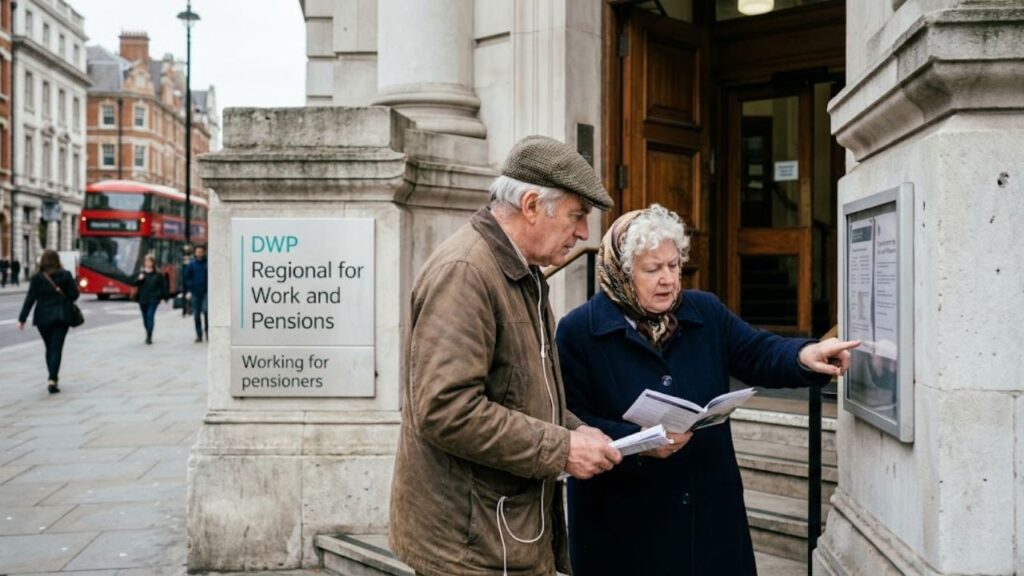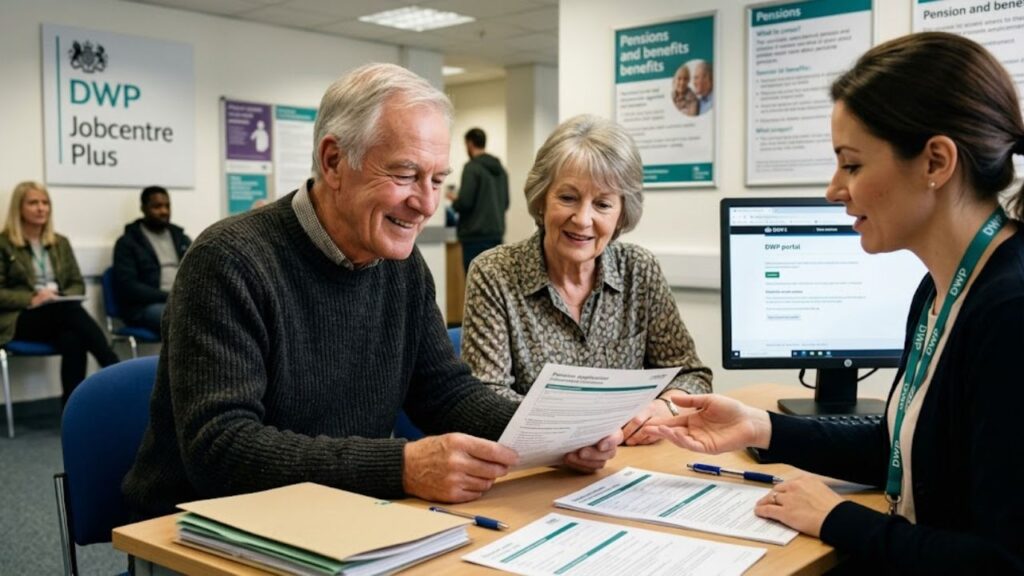
The retirement system in the United Kingdom is going through a significant transformation as new pension rules approach implementation. For decades, retiring at 60 or 65 was considered normal, but that expectation is now changing rapidly. The government has officially confirmed a revised State Pension age schedule, which means millions of workers across England, Scotland, Wales, and Northern Ireland will need to work longer before receiving their pension benefits. This shift highlights growing financial pressure on the system due to an aging population and increased life expectancy. As a result, individuals must now rethink their retirement strategies and long-term financial security.
State Pension Age Transition Begins 2026
A major part of this reform is the gradual increase in the State Pension age from 66 to 67. This transition will start in April 2026 and will be fully implemented by 2028. The change directly impacts individuals born after April 1960, making it essential for them to adjust their retirement plans. What was once just a proposal has now become law, meaning there is no going back. For many people nearing retirement, this change shifts their expected timeline, requiring additional years of work. The government justifies this move as necessary to ensure fairness between generations and to handle the financial burden of an aging population.
Why Retirement Age Is Increasing
The primary reason behind increasing the pension age is rising life expectancy. Over the past several decades, people in the UK have been living longer, which puts pressure on the pension system. Even though the rate of increase has slowed slightly, the overall trend still shows significant growth. Maintaining a system where a large portion of life is spent in retirement has become financially challenging. The government also aims to sustain the Triple Lock system, which ensures pension payments increase with inflation, wages, or a fixed percentage. To keep this promise viable, raising the pension age has become necessary for long-term stability.

Future Increase Toward Age 68
While the current focus is on increasing the pension age to 67, discussions about raising it further to 68 are already underway. Existing plans suggest this could happen between 2044 and 2046, but there is growing debate about implementing it earlier. Younger workers may ultimately have to wait until nearly 70 before receiving their pension. Although the government has promised to give at least ten years’ notice before any such changes, the trend clearly indicates that retirement age will continue to rise. This makes early financial planning more critical for younger generations aiming for stability in the future.
Impact On Workers And Regional Differences
The new retirement rules have raised concerns, particularly for individuals working in physically demanding jobs. Workers in construction, healthcare, or delivery services may struggle to continue working into their late 60s compared to those in office-based roles. Additionally, there are significant regional differences in health and life expectancy across the UK. In some areas, people remain healthy into their 70s, while in others, health issues arise much earlier. This creates inequality, as some individuals may not fully benefit from the pension system despite contributing throughout their lives.

Private Pensions Becoming More Important
With the State Pension age increasing, private and workplace pensions are becoming more important than ever. The Auto-Enrolment scheme has encouraged more people to start saving, but current contribution levels may not be enough for a comfortable retirement. Many individuals are now exploring additional investment options and early retirement strategies. Building a strong financial plan is essential, especially for those who want to retire before reaching the official pension age. Without proper savings, individuals may face a gap between leaving work and receiving pension benefits.
Retirement Planning And Future Strategy
The changing pension system requires individuals to take a proactive approach to financial planning. Checking eligibility, reviewing National Insurance contributions, and increasing savings are now critical steps. Some people are also considering downsizing their homes or using investments to support early retirement. The government is promoting longer working lives through flexible job opportunities and retraining programs. However, for many individuals, working longer is not a choice but a necessity. These changes mark a shift toward personal responsibility in securing a stable and comfortable retirement future.
Key Pension Changes Summary
| Category | Details |
|---|---|
| Current Pension Age | 66 Years |
| New Pension Age | 67 Years by 2028 |
| Implementation Start | April 2026 |
| Future Plan | Increase to 68 Years |
| Main Reason | Rising Life Expectancy |
| Affected Group | Born After April 1960 |